

Understand Your Jealousy: A Relationship Test for Women
Explore the emotional roots of your relationship insecurities and identify your personal triggers with our confidential, evidence-based jealousy screening designed specifically for women.
Medically Reviewed by Aheesha Chopra (Therapist/ Psychologist)
Answer these simple questions to understand more about Jealousy For Women. We share instant results and keep your information confidential.
What is Jealousy For Women Test?
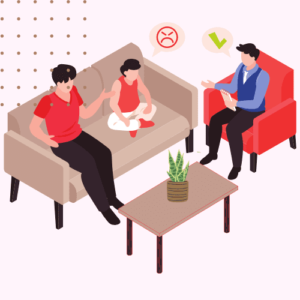
The Jealousy for Women Test is a specialized psychological tool designed to explore how insecurity and perceived relationship threats manifest within female emotional experiences. While jealousy is a universal human emotion, women often process and express these feelings through unique social and relational lenses. This assessment uses evidence-based questions to identify your specific triggers—such as a fear of emotional abandonment, comparison-based insecurities, or past betrayals. By providing a confidential space to evaluate your reactions, this test helps you distinguish between healthy intuition and destructive patterns, offering a clear path toward emotional balance and relationship security.
Is the Jealousy Test for Women Right for You?
This assessment is specifically designed for women who find that lingering doubts or “gut feelings” are beginning to drain their emotional energy and disrupt their relationship peace. If you find yourself over-analyzing social media interactions, feeling a constant need for reassurance, or worrying about emotional distance, this test provides the objective clarity you need. It is an essential tool for those who want to stop the cycle of reactive behavior and start understanding the psychological “why” behind their feelings. By identifying whether your jealousy stems from past betrayals, attachment styles, or communication gaps, you can begin to replace anxiety with confidence and build a partnership rooted in mutual trust rather than fear.

How Reliable is the Jealousy Screening for Women?
While no online tool provides a clinical diagnosis, our Jealousy for Women Test is developed using psychological principles to ensure high reliability and relevant insights. The accuracy of the assessment depends largely on your level of honesty and self-reflection when responding to the scenarios. Because jealousy is a nuanced emotion shaped by personal history and relationship context, we view this screening as a professional “emotional baseline.” It is designed to highlight significant patterns and triggers, serving as an accurate starting point for self-improvement or as a helpful guide for deeper discussion with a mental health professional.
Types of Assessment to Measure Jealousy For Women Test
Self-Report Questionnaires:
The Multidimensional Jealousy Scale (MJCS): This scale assesses different dimensions of jealousy, such as emotional jealousy, cognitive jealousy, and behavioral jealousy. Participants rate statements based on their own experiences and feelings.
Scenario-Based Assessments:
Scenario-Based Interviews: Researchers present participants with hypothetical scenarios that may trigger jealousy (e.g., a partner talking to an attractive person). Participants’ responses and emotional reactions are analyzed to gauge jealousy.
Physiological Measures:
Skin Conductance Response (SCR): This involves measuring changes in skin conductance, which can indicate physiological arousal associated with jealousy. Increased arousal may be a sign of jealousy.
Behavioral Observations:
Observational Studies: Researchers directly observe and record jealousy-related behaviors, such as verbal expressions, non-verbal cues, or aggressive actions, in controlled or natural settings.
Projective Tests:
Thematic Apperception Test (TAT): Participants are presented with ambiguous images and asked to create a story around them. This can reveal underlying feelings of jealousy and insecurity through the stories they generate.
Implicit Measures:
Implicit Association Test (IAT): This assesses automatic associations between concepts (e.g., jealousy and self-esteem) by measuring response times to pairings of words and images. It can provide insights into unconscious or implicit attitudes related to jealousy.
Handling Jealousy For Women Test
Handling jealousy is important for anyone, regardless of gender. Jealousy can strain relationships and negatively impact your well-being. Here are 10 points to help women (and anyone else) manage jealousy:
- Self-Reflection: Acknowledge your jealousy and take time to reflect on its source. Understand why you’re feeling this way, as it can often stem from insecurities or past experiences.
- Open Communication: Talk to your partner or the person causing your jealousy. Honest and open conversations can alleviate doubts and misunderstandings.
- Trust Building: Work on building trust in your relationship. Trust is essential, and it’s vital to believe in your partner’s loyalty.
- Focus on Self-Esteem: Boost your self-esteem by engaging in activities that make you feel confident and self-assured. This can help reduce feelings of insecurity.
- Limit Social Media: Reduce exposure to triggers on social media that may worsen your jealousy. Unfollow or mute accounts that make you feel insecure.
- Practice Mindfulness: Mindfulness and meditation can help you stay grounded in the present moment and reduce anxiety about the past or future.
- Set Boundaries: Establish healthy boundaries in your relationship. Knowing what is acceptable and what isn’t can provide a sense of security.
- Support System: Lean on friends and family for emotional support and advice. They can provide a different perspective on your feelings.
- Jealousy Is Natural, but Manageable: Remember that jealousy is a normal emotion, and occasional feelings of jealousy are okay. It’s how you handle them that matters.
- Seek Professional Help: If jealousy is causing significant distress in your life or relationship, consider seeking the guidance of a therapist or counselor who specializes in relationships and emotions.
Remember that managing jealousy is an ongoing process, and it’s essential to be patient with yourself as you work towards a healthier and more secure mindset.
FAQs on Jealousy Test For Women
Absolutely. Jealousy is a biological and emotional signal intended to protect valuable connections. It only becomes “unhealthy” when it creates a cycle of control, distress, or lack of trust.
Yes. MyMindTest provides this free jealousy quiz as a completely anonymous resource.
Yes. If you have been cheated on or betrayed in the past, your brain may remain in a “high alert” state to prevent future pain. This test helps identify if you are projecting the past onto the present.
A high score is an opportunity for growth. Consider exploring “Attachment Theory” or speaking with a therapist who specializes in relationship anxiety and self-esteem building.