

Online Anger Management Screening & Test
This free online anger assessment helps you explore how you respond to frustration, identify common triggers, and understand your emotional patterns.
Medically Reviewed by Aheesha Chopra (Therapist/ Psychologist)
Answer these simple questions to understand more about your Anger issues. We share instant results and keep your information confidential.
What Is an Anger Issues Test?
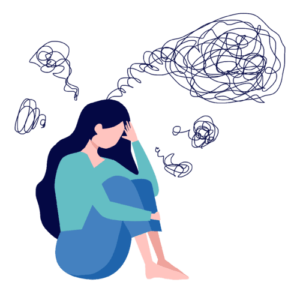
An anger issues test is a self-assessment tool designed to help individuals understand how they respond to frustration, conflict, and stressful situations. It typically includes a series of structured questions that explore emotional reactions, common triggers, and behavioral patterns related to anger.
This type of screening helps identify how intense or frequent anger responses may be and whether they are affecting relationships, work, or overall well-being. While it does not provide a clinical diagnosis, the results can offer valuable insight and guide individuals toward healthier coping strategies or professional support if needed.
Who Can Benefit From This Anger Issues Test?
This assessment can be helpful for anyone who feels that anger is becoming difficult to manage. It may be especially useful for individuals who experience frequent irritability, intense emotional reactions, or ongoing conflict in their personal or professional life.
If you’ve noticed that frustration builds quickly, leads to regretful actions, or affects your relationships, this screening tool can offer helpful insight. It’s also valuable for those who simply want to better understand their emotional responses and develop healthier ways to cope with stress.
While the test is not a diagnostic tool, it can serve as a starting point for self-awareness and, if needed, encourage seeking guidance from a qualified mental health professional.

How Accurate Is This Anger Assessment?
The accuracy of an online anger assessment largely depends on how honestly and thoughtfully you answer the questions. Since this is a self-report screening tool, your responses play an important role in the insights you receive.
While the results can highlight common emotional patterns, triggers, and behavioral tendencies, they are not a clinical diagnosis. Factors such as temporary stress, mood changes, or personal interpretation of questions may influence outcomes.
This assessment is best used as a starting point for self-reflection. If your results suggest ongoing difficulties with anger or emotional regulation, speaking with a qualified mental health professional can provide a more comprehensive evaluation and personalized guidance.
Types of Anger Issues Test
Self-Report Questionnaires:
Individuals answer questions about their anger experiences & behaviors, providing insight into the intensity & frequency of anger reactions.
Anger Interviews:
Structured interviews where professionals assess an individual’s anger triggers, expressions, and coping strategies to understand underlying issues.
Behavioral Observations:
Professionals/ Experts observe and record an individual’s anger responses in various situations to analyze behavioral patterns and triggers.
Psychological Testing:
Standardized tests designed to assess anger-related traits, emotional regulation, and potential co-existing conditions.
Family or Social Environment Tests:
Examining family dynamics or social factors that contribute to an individual’s anger issues and exploring potential sources of support or stress.
Cognitive Tests:
Evaluating thought patterns and beliefs related to anger, shedding light on cognitive distortions that may fuel excessive or problematic anger reactions.
Handling Anger Issues
Handling anger issues involves adopting healthy coping strategies and learning to manage emotions constructively. Here are some effective steps to manage anger:
- Recognize Triggers: Identify situations, thoughts, or events that trigger your anger. Self-awareness helps you respond more appropriately.
- Take a Timeout: When anger arises, step away from the situation to cool down. Deep breathing or counting can help during the timeout.
- Express Emotions Calmly: Use “I” statements to express feelings without blaming others. Communicate assertively but respectfully.
- Practice Relaxation Techniques: Regularly engage in relaxation methods like meditation, yoga, or exercise to reduce overall stress and anger.
- Problem-Solving: Find constructive solutions to the issues causing anger. Focus on resolving conflicts rather than reacting emotionally.
- Seek Support: Talk to friends, family, or a therapist to discuss your feelings and gain insights into managing anger.
- Develop Empathy: Try to understand others’ perspectives and empathize with their feelings, reducing hostility and misunderstandings.
- Avoid Substance Abuse: Avoid using drugs or alcohol to cope with anger, as they can exacerbate emotions and lead to harmful behaviors.
- Practice Forgiveness: Let go of grudges and practice forgiveness for your peace of mind.
- Learn Anger Management Techniques: Enroll in anger management programs or workshops to learn specific skills for coping with anger effectively.
Remember, it’s normal to feel angry at times, but learning to manage it constructively can lead to healthier relationships and overall well-being.
FAQs on Anger Issues
No. Healthy anger serves as a signal that something is wrong or unfair. It becomes a problem only when it is uncontrollable, aggressive, or causes distress to you and those around you.
Yes. MyMindTest provides a free anger issue test that is completely anonymous. We believe everyone should have access to tools for self-regulation without barriers.
Absolutely. High stress lowers your “emotional ceiling,” making it much easier for minor annoyances to trigger a major anger response.
Don’t view a high score as a label of being a “bad person.” Instead, see it as an invitation to learn new coping mechanisms. Speaking with a counselor or joining an anger management group are excellent ways to start.