

Are You in a Codependent Relationship? Take This Test
Understand the dynamics of your partnership with our confidential, evidence-based codependency screening designed to help you identify patterns of emotional dependency and reclaim your independence
Medically Reviewed by Aheesha Chopra (Therapist/ Psychologist)
Answer these simple questions to understand more about your Codependent Relationship. We share instant results and keep your information confidential.
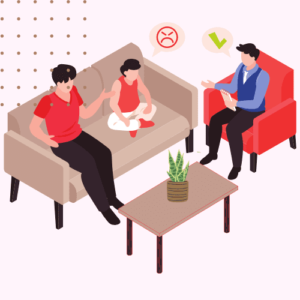
What is Codependent Relationship Test?
A codependent relationship test is an online assessment designed to help individuals identify patterns of codependency in their romantic, familial, or interpersonal relationships. Codependency occurs when one person relies heavily on another, often prioritizing their partner’s needs over their own, which can lead to emotional strain and unhealthy dynamics.
The test typically consists of a series of questions exploring your thoughts, behaviors, and feelings within your relationships. By reflecting on these patterns, the assessment can provide insight into whether codependent traits may be present, helping you take steps toward healthier boundaries, self-care, and more balanced relationships.
Who Should Take This Codependency Assessment?
If you often feel responsible for your partner’s emotions or find yourself sacrificing your own needs to keep the peace, this assessment can provide the clarity you need. Our Codependent Relationship Test is designed for anyone—whether in a romantic, familial, or professional partnership—who suspects an unhealthy imbalance of power or emotional reliance. By answering a series of targeted questions about your behaviors and boundaries, you’ll gain immediate insight into whether your relationship exhibits codependent traits. This is the first step toward breaking dysfunctional patterns and building a healthier, more independent connection.


Codependent Relationship Test Accuracy
While no online tool replaces a clinical diagnosis, our Codependent Relationship Test is designed based on established psychological frameworks to provide highly reliable insights. The accuracy of your results depends largely on honest self-reflection and your current level of awareness regarding your relationship dynamics. Because codependency is a complex spectrum influenced by personal history and context, we view this test as a powerful starting point for self-discovery. We recommend using these results as a professional guide for further discussion with a therapist or counselor to gain a comprehensive understanding of your interpersonal health.
Types of Assessment to Measure Codependent Relationship
Codependency Self-Assessment Questionnaires:
These are self-report questionnaires that individuals can complete to assess their own codependent tendencies. They typically include statements related to behaviors, thoughts, and feelings associated with codependency.
Codependency Inventory:
This is a more extensive assessment tool that evaluates codependency across multiple dimensions. It often includes questions related to self-esteem, boundaries, caretaking behaviors, and enabling patterns.
Structured Interviews:
Mental health professionals can conduct structured interviews with individuals to assess codependency. These interviews delve deeper into the individual’s history, relationships, and emotional experiences to identify codependent traits.
Observational Assessment:
Observational assessment involves watching individuals’ behaviors within their relationships. This can be done by therapists or counselors who are trained to identify codependent behaviors and dynamics during therapy sessions.
Psychological Assessment:
Psychologists may use standardized psychological assessments and tests to measure factors related to codependency, such as self-esteem, attachment styles, and interpersonal functioning.
Family or Relationship Assessment:
Codependency often occurs within the context of family or romantic relationships. Assessing the dynamics within the relationship and how they contribute to codependency is crucial.
Handling Codependent Relationship
Handling a codependent relationship can be challenging, but it’s essential to address these issues for the well-being of both individuals involved. Codependency often involves one person excessively relying on the other for emotional support, self-esteem, and a sense of purpose, which can lead to unhealthy dynamics. Here are some steps to help you handle a codependent relationship:
- Recognize the Problem: The first step is acknowledging that the relationship is codependent. Look for signs such as excessive neediness, lack of personal boundaries, enabling behavior, and a sense of being trapped.
- Self-Awareness: Both individuals in the relationship should work on understanding their own needs, insecurities, and motivations. This self-awareness is crucial for personal growth.
- Seek Professional Help: Codependency can be deeply ingrained, and it often requires therapy or counseling to address the underlying issues. Consider seeing a therapist or counselor individually or as a couple.
- Set Boundaries: Establish clear boundaries in the relationship. Both partners should have a sense of personal space, time, and individual needs. Communicate openly about these boundaries.
- Build Self-Esteem: Encourage each other to work on self-esteem and self-worth independently. Building a strong sense of self can reduce the need for external validation.
- Develop Supportive Networks: Encourage each other to maintain friendships, hobbies, and interests outside of the relationship. Having a diverse support system can alleviate the pressure of relying solely on one person.
- Practice Effective Communication: Improve communication skills within the relationship. Be honest about feelings and concerns without blaming or criticizing each other. Active listening is essential.
- Challenge Codependent Behaviors: Identify and work on behaviors that enable or perpetuate the codependency. This may involve saying “no” when necessary, avoiding excessive caregiving, and allowing the other person to face consequences for their actions.
- Take Time Apart: Spending some time apart can be healthy. This allows each person to focus on personal growth and independence.
- Support Each Other’s Growth: Encourage and support each other’s individual goals and aspirations. A healthy relationship should empower both individuals to pursue their dreams.
- Patience and Persistence: Breaking codependent patterns can be a long and challenging process. It’s essential to be patient with yourself and your partner and to stay committed to personal growth.
- Consider Ending the Relationship: In some cases, despite best efforts, codependent relationships may remain toxic and detrimental to both individuals’ well-being. If this is the case, it may be necessary to consider ending the relationship for the sake of personal growth and happiness.
Remember that overcoming codependency is a journey, and it often requires professional guidance. Seek the help of a therapist or counselor who specializes in relationship issues to provide you with tailored strategies and support.
FAQs on Codependency
No. Being supportive is healthy. Codependency is when your “niceness” is driven by a compulsive need for approval or a fear of what will happen if you don’t comply with another person’s needs.
Yes, but it requires both individuals to establish healthy boundaries and individual identities. Often, professional counseling is needed to change these deeply ingrained patterns.
Yes. MyMindTest provides this screening as a free resource. We do not store your personal results, so you can explore your relationship honestly and privately.
Not at all. Codependent patterns are very common between parents and children, siblings, and even in close friendships or professional environments.
The first step is awareness. Simply identifying these patterns helps you pause before automatically saying “yes” to a request that drains you. Seeking a therapist who specializes in relationship boundaries is a highly recommended next step.