

Are You Suffering from OCD? Take the Online Assessment
Identify the presence and severity of obsessive thoughts and compulsive behaviors with our confidential, evidence-based OCD assessment designed to help you understand your symptoms.
Medically Reviewed by Aheesha Chopra (Therapist/ Psychologist)
Answer these simple questions to understand more about your OCD. We share instant results and keep your information confidential.
What is OCD Test?
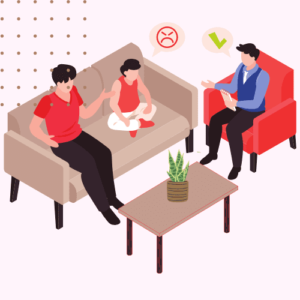
An OCD test is a clinical screening tool designed to identify the presence of obsessive-compulsive patterns. Obsessive-Compulsive Disorder (OCD) is characterized by two main components: obsessions (intrusive, unwanted thoughts) and compulsions (repetitive behaviors performed to ease anxiety).
This online OCD assessment evaluates how these thoughts and behaviors impact your daily life. It is modeled after established psychological markers to help you understand if your experiences cross the threshold into a clinical condition.
Who Should Take This OCD Screening?
You should consider taking this free OCD screening if you feel “stuck” in loops of doubt or find yourself performing repetitive actions to feel safe. This test is ideal for those experiencing:
- Intrusive Thoughts: Disturbing images or ideas that feel “ego-dystonic” (the opposite of your true character).
- Mental Rituals: Constant “checking,” praying, or counting in your head to prevent a bad thing from happening.
- Time-Consuming Compulsions: Spending more than an hour a day on activities like cleaning, symmetry, or seeking reassurance.
- Hyper-fixation: If you find your focus is localized on a specific theme, you may also want to explore our specialized tests for Somatic OCD, Tourettic OCD, or Harm OCD.
Before taking the assessment, ask yourself if your symptoms meet these three clinical markers:
- Persistence: Do your intrusive thoughts or rituals take up more than one hour of your day?
- Distress: Do these thoughts feel unwanted, upsetting, or “ego-dystonic“ (conflicting with your actual values)?
- Compulsion: Do you feel an overwhelming “need“ to perform a specific action or mental ritual to make anxiety go away?

OCD Test Accuracy
Our OCD test online is highly accurate at identifying the symptoms and behavioral traits associated with the disorder. It measures the intensity of your distress and the “urge” behind your compulsions.
However, it is important to note that this is a self-assessment tool and not a formal medical diagnosis. While it provides a reliable indicator of OCD, a definitive diagnosis should be made by a licensed mental health professional. If your results show a high likelihood of OCD, the next step is typically Exposure and Response Prevention (ERP), the gold-standard treatment proven to help individuals reclaim their lives from intrusive thoughts.
Types of OCD Test
Clinical Interviews:
One-on-one discussions with a mental health professional to explore OCD symptoms and their impact.
Self-Report Questionnaires:
Standardized questionnaires filled out by the individual, assessing OCD symptoms and severity.
Obsessive-Compulsive Inventory:
A widely used self-report scale to measure the severity of OCD symptoms.
Yale-Brown Obsessive Compulsive Scale:
Clinician-administered tool to evaluate the severity of OCD symptoms and track treatment progress.
Structured Interviews:
Systematic and standardized assessments to identify specific OCD symptoms and related impairment.
Behavioral Observation:
Observing an individual’s behaviors & rituals in controlled settings to assess OCD-related actions & responses.
Handling OCD
Handling OCD (Obsessive-Compulsive Disorder) requires a comprehensive approach that includes both self-help strategies and professional assistance. It’s essential to remember that OCD is a medical condition, and seeking help from a mental health professional is crucial for proper diagnosis and treatment. Here are some general tips that may help you manage OCD:
- Educate yourself: Learn more about OCD, its symptoms, and treatment options. Understanding the disorder can help you feel more in control and less isolated.
- Seek professional help: Consult a mental health professional, such as a psychologist or psychiatrist, experienced in treating OCD. They can provide personalized treatment plans and therapies to address your specific needs.
- Cognitive-Behavioral Therapy (CBT): CBT is the most effective therapy for OCD. It helps you identify irrational thoughts and behaviors and teaches you healthier ways to respond to them. Exposure and Response Prevention (ERP) is a specific form of CBT that involves gradually facing your fears and resisting the urge to perform compulsions.
- Medication: In some cases, medication can be prescribed to help manage OCD symptoms. Commonly used medications include selective serotonin reuptake inhibitors (SSRIs) and tricyclic antidepressants. Always follow your doctor’s guidance regarding medication use.
- Set realistic goals: Understand that overcoming OCD is a process, and it takes time and effort. Set small, achievable goals to work towards and celebrate your progress.
- Practice mindfulness: Mindfulness techniques, such as meditation and deep breathing exercises, can help you stay present and reduce anxiety.
- Avoid self-criticism: Don’t be too hard on yourself. OCD is not your fault, and recovery is a journey that may have ups and downs.
- Create a support network: Talk to friends, family, or join support groups to share experiences and find encouragement. Having a support system can make a significant difference in managing OCD.
- Reduce stress: Engage in activities that help you relax and relieve stress, such as exercise, hobbies, or spending time in nature.
- Limit compulsive behaviors: Gradually reduce the time spent on compulsions and try to delay acting on the obsessive thoughts. This practice can help you build tolerance to the anxiety associated with OCD.
Remember, OCD is treatable, and with the right support and strategies, you can lead a fulfilling life. If you or someone you know is struggling with OCD, please encourage seeking professional help as soon as possible.
Other OCD Tests
FAQs for Online OCD Assessment & Quiz
This assessment is based on clinical markers used to identify obsessive-compulsive patterns. While it is highly accurate in screening for the presence of symptoms, it is intended for educational purposes and does not replace a formal diagnosis from a licensed mental health professional.
Perfectionism is often a personality trait where someone enjoys order; OCD is an anxiety-based disorder where a person feels forced to perform rituals to prevent distress or perceived catastrophe. OCD thoughts are “ego-dystonic,” meaning they are unwanted and conflict with the person’s actual values.
Yes. This is often referred to as “Pure O” or mental-themed OCD. In these cases, the compulsions are internal, such as mental reviewing, praying, counting, or constantly seeking reassurance in one’s mind.
Common signs include intrusive thoughts (obsessions), intense anxiety when a ritual isn’t performed, spending more than an hour a day on repetitive tasks, and the temporary relief of anxiety through compulsions.