

Anxiety Self-Assessment Test – Free and Confidential
Take this free online anxiety screening to explore your symptoms, understand worry and stress patterns, and gain insight into how anxiety may be affecting your daily life.
Medically Reviewed by Aheesha Chopra (Therapist/ Psychologist)
Answer these simple questions to understand more about your Anxiety. We share instant results and keep your information confidential.
What is an Anxiety Test?
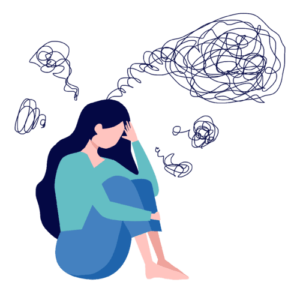
An anxiety test is a self-assessment tool designed to help you understand your levels of worry, nervousness, and stress. It typically includes a series of structured questions that explore emotional symptoms, physical responses, and thought patterns commonly associated with anxiety.
This type of screening helps identify how frequently these feelings occur and how they may be affecting your daily life, relationships, or work performance. While it does not provide a medical diagnosis, it can offer useful insight into your mental well-being and help you decide whether seeking professional support might be beneficial.
Who Can Benefit From This Anxiety Test?
This assessment can be helpful for anyone who frequently feels overwhelmed by worry, fear, or ongoing stress. It may be especially useful for individuals who notice persistent nervousness, difficulty relaxing, racing thoughts, or physical symptoms such as a fast heartbeat or restlessness.
If anxiety is interfering with your sleep, concentration, relationships, or daily responsibilities, this screening tool can provide helpful insight. It may also support those who are curious about whether their symptoms align with common anxiety-related conditions.
While the results are not a diagnosis, they can serve as a starting point for self-awareness and help you decide whether speaking with a qualified mental health professional would be beneficial.
How Accurate Is This Anxiety Test?
The accuracy of an online anxiety test depends largely on how honestly and thoughtfully you answer the questions. Since this is a self-report screening tool, your responses directly influence the insights you receive.
Well-structured questionnaires can help identify common patterns of worry, tension, and stress-related symptoms. However, factors such as temporary life stress, mood changes, or personal interpretation of questions may affect the results.
This assessment is best viewed as a starting point for understanding your emotional well-being. If your results indicate moderate to severe concerns, consulting a qualified mental health professional can provide a more detailed evaluation and personalized guidance.
Types of Anxiety Tests
Generalized Anxiety Disorder 7:
A widely used self-report questionnaire to assess the severity of generalized anxiety symptoms based on responses to seven questions.
Beck Anxiety Inventory (BAI):
A self-report scale measuring the severity of anxiety symptoms, helps to identify anxiety levels and monitor treatment progress.
Hamilton Anxiety Rating Scale:
A clinician-administered tool to evaluate anxiety severity by assessing both psychological and physical symptoms.
Anxiety Sensitivity Index (ASI):
A self-report scale measuring fear of anxiety-related symptoms, helping to understand and manage anxiety reactions.
Social Phobia Inventory (SPIN):
A questionnaire assessing symptoms specific to social anxiety disorder, aiding in diagnosis and treatment planning.
Panic Disorder Severity Scale (PDSS):
A clinician-administered scale used to assess the severity of symptoms in individuals with panic disorder.
Handling Anxiety Issues
Handling anxiety issues involves a multifaceted approach that addresses the root causes and provides practical coping strategies. Here are some helpful steps:
- Seek Professional Help: Consult a mental health professional for an accurate diagnosis and personalized treatment plan, which may include therapy and/or medication.
- Practice Relaxation Techniques: Engage in deep breathing, meditation, yoga, or progressive muscle relaxation to reduce stress and promote relaxation.
- Stay Physically Active: Regular exercise can alleviate anxiety by releasing endorphins and improving overall well-being.
- Limit Stimulants: Reduce or avoid substances like caffeine, alcohol, and nicotine, which can exacerbate anxiety symptoms.
- Maintain a Healthy Lifestyle: Prioritize a balanced diet, sufficient sleep, and a routine to support emotional stability.
- Challenge Negative Thoughts: Use cognitive-behavioral techniques to identify and reframe anxious thoughts into more realistic and positive ones.
- Set Realistic Goals: Avoid overwhelming yourself by setting achievable objectives and breaking tasks into smaller steps.
- Practice Mindfulness: Stay present in the moment and cultivate acceptance, reducing worry about the past or future.
- Social Support: Connect with friends, family, or support groups to share feelings and receive understanding and encouragement.
- Limit News and Media Exposure: Limit exposure to distressing news and content that can trigger anxiety.
- Establish Healthy Boundaries: Learn to say no to excessive commitments and responsibilities that can lead to overwhelm.
Remember that coping with anxiety is an ongoing process, and it’s essential to be patient and compassionate with yourself as you work towards managing and reducing anxiety levels.
FAQs on Anxiety Issues
Stress is a response to a specific external threat (like a deadline). Anxiety is a persistent feeling of apprehension that remains even after the stressor has passed.
Yes. MyMindTest provides a free anxiety test that is 100% anonymous.
Our assessment is designed to be quick but thorough, usually taking less than 2 minutes to complete.
A high score is not a reason to panic; it is a reason to seek support. Consider booking a session with a counselor or speaking to your doctor about your results to explore management options.