

It’s normal to feel sad after life throws something difficult your way. Rejection, loss, stress, conflict, or burnout can all affect your mood. Not every low day is just a case of sadness. When this sadness lingers, becomes heavier, or starts interfering with your daily life, it may point to something more serious, like clinical depression.
Understanding sadness vs clinical depression is important because the two can look similar on the surface, yet they are very different in severity, duration, and impact. Normal sadness tends to come and go, often linked to a clear reason. On the other hand, clinical depression can persist for weeks or longer and may affect sleep, appetite, energy, concentration, relationships, and daily functioning.
In this blog, we’ll break down clinical depression vs sadness, highlight symptoms of clinical depression vs sadness, and explain how to recognise when everyday emotions may need professional support.
Contents
What Is Normal Sadness?
Sadness is a natural emotional response to adverse experiences such as pain, disappointment, loss, stress, or significant change. It is important to note that sadness is not a disorder. In fact, sadness can serve a beneficial purpose by indicating that a meaningful event has happened and often encourages reflection, rest, or support-seeking.
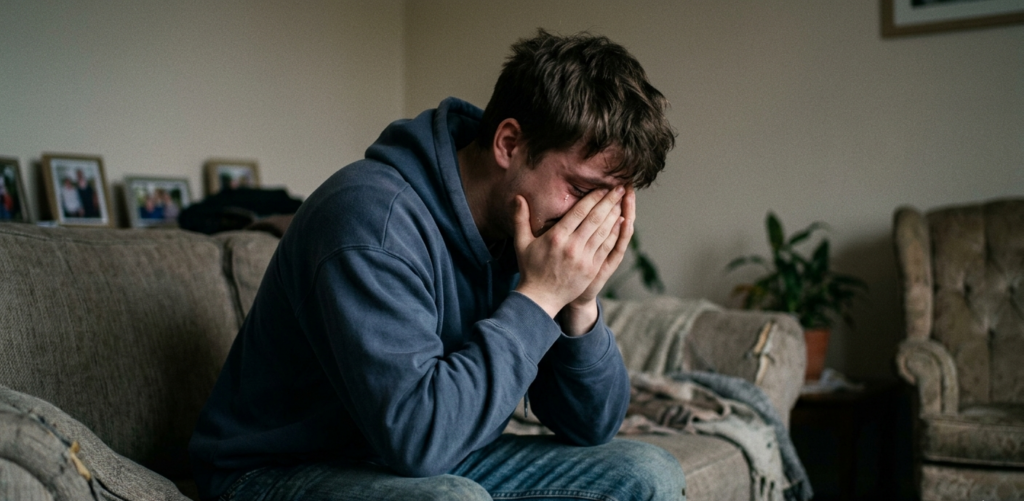
Common characteristics of normal sadness:
- Usually linked to a specific trigger, situation or event
- Comes in phases rather than staying constant all day
- Can improve with time, comfort, sleep, or positive experiences
- Does not entirely erase the ability to feel joy or connection
- Does not severely hamper work, school, or relationships
For instance, if you fail an exam, lose an opportunity, or argue with someone you love, it’s okay to feel low for a while. You may cry, withdraw briefly, or lose motivation for a day or two, but eventually you’ll get back to your normal self.
What Is Clinical Depression?
Clinical depression, also called major depressive disorder, is a serious mental health condition that goes beyond feeling sad for a few days. It can cause a persistent low mood, loss of interest in daily life, fatigue, sleep changes, and difficulty functioning at work, school, or in relationships. It typically persists for weeks or longer and often requires professional support.
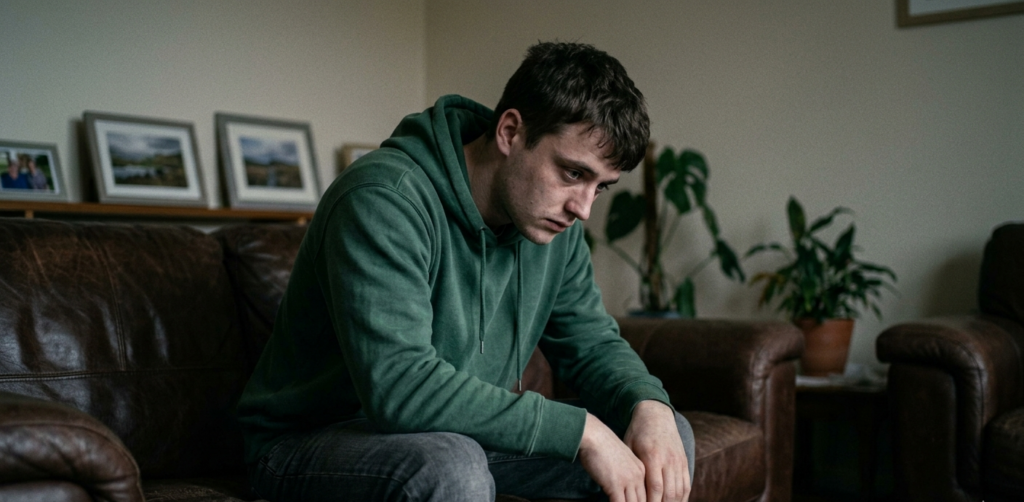
Clinical depression often includes:
- Persistent low mood or emptiness
- Loss of interest in hobbies or activities once enjoyed
- Fatigue or low energy
- Sleep changes (too much or too little)
- Appetite or weight changes
- Feelings of worthlessness, guilt, or hopelessness
- Trouble concentrating or making decisions
- Social withdrawal
- Physical symptoms like headaches or body aches without a clear cause
- Thoughts of death or suicide
Real depression is different from just feeling down – it’s like being stuck in a rut and can’t shake it off, even when good things happen. It’s like feeling numb, disconnected, or just empty, where nothing seems to bring happiness or excitement anymore.
Sadness vs Clinical Depression: Key Differences
| Feature | Sadness | Clinical Depression |
|---|---|---|
| Cause | Often tied to a clear event or disappointment | May have a trigger, but can also appear without one |
| Duration | Usually temporary | Lasts at least 2 weeks or longer |
| Intensity | Fluctuates | Persistent, often heavy or emotionally flat |
| Mood shifts | Can improve with support or enjoyable moments | Often doesn’t improve, even with positive events |
| Functioning | Usually manageable | Can impair work, school, sleep, and relationships |
| Interest in life | Reduced temporarily | Ongoing loss of interest or pleasure |
| Physical symptoms | Mild or absent | Common (fatigue, sleep/appetite changes, aches) |
| Self-worth | Usually intact | Often marked by guilt, hopelessness, worthlessness |
| Risk level | Typically low | May include suicidal thoughts or self-harm risk |
Symptoms of Clinical Depression vs Sadness
Recognising the symptoms of clinical depression vs sadness can help you decide when it’s time to seek support.
Common symptoms of sadness:
- Crying after a specific event
- Feeling down/low for a short period
- Temporary disappointment or emotional heaviness
- Mood gradually improves with rest, time, or reassurance
- Feeling low or emotionally heavy
- Wanting some alone time
- Mild changes in appetite or sleep
Common symptoms of clinical depression:
- Feeling low, empty, or numb nearly every day
- Losing interest in people, hobbies, or routines
- Waking up exhausted even after sleep
- Sleeping far too much or struggling with insomnia
- Eating much more or much less than usual
- Difficulty focusing, remembering, or making decisions
- Avoiding friends, work, or responsibilities
- Thoughts of death, self-harm, or suicide
Feeling sad can fade with time and the right support, but depression often sticks around and really disrupts your daily life in a big way.
Do these symptoms feel familiar?
Take our scientifically validated free test to understand your symptoms better.
How to Manage Sadness and Treat Clinical Depression
Once you understand the difference between sadness and clinical depression, the next step is knowing how to respond to what you’re feeling. While sadness often improves with time and self-care, clinical depression may need support and professional treatment.
Managing Sadness
- Talk to someone you trust – a friend, partner, or family member
- Take a moment to breathe and feel your emotions
- Engage in activities that usually bring comfort or joy
- Maintain a simple daily routine (sleep, meals, movement)
- Practice self-care like journaling, mindfulness, or relaxation
- Don’t get too comfortable being alone
Treating Clinical Depression
- Talking to a mental health professional can help you understand patterns
- In some cases, antidepressants may be prescribed to help regulate mood
- Improving sleep, nutrition, physical activity, and daily structure can support recovery
- Mindfulness, breathing exercises, or guided relaxation can reduce depression
- Staying connected with trusted people plays an important role in recovery
Still not sure which it is?
Take our scientifically validated free test to understand your symptoms better. It’s confidential and takes just 2 minutes.
Take the Free AssessmentFinal Thoughts
The difference between sadness and clinical depression is not just about how bad you feel; it’s about how long it lasts, how deeply it affects your life, and whether it steals your ability to function or feel hope. Sadness is a normal emotion that usually passes. Clinical depression is a condition that deserves attention, care, and treatment.
If you’ve been wondering whether what you’re feeling is temporary sadness or something more serious, don’t ignore the signs. Understanding sadness vs clinical depression is the first step toward getting clarity and support.