
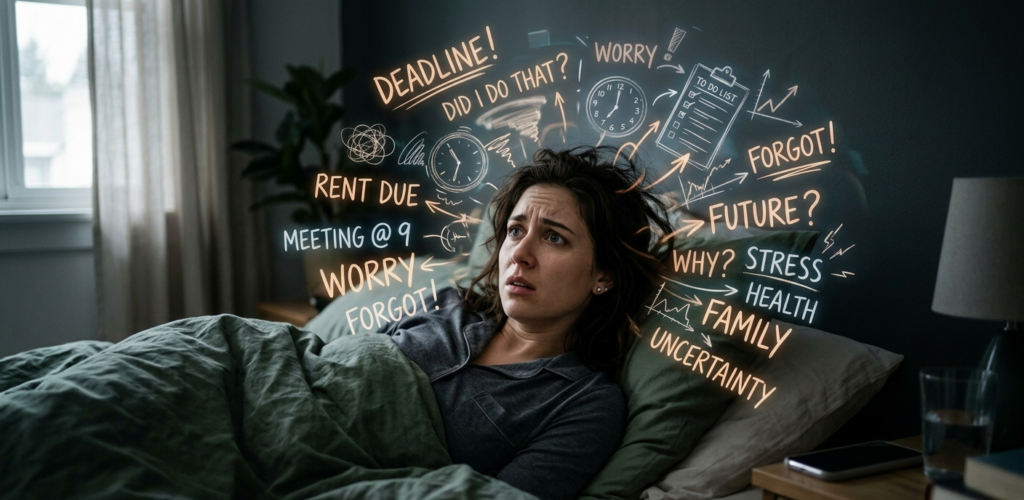
Waking up should feel like a fresh start, but for many people, it feels like dread hits before their feet even touch the floor. Ever feel like your heart is racing, your stomach is churning, and your mind is instantly filled with worries? You’re definitely not alone in this!
Morning anxiety isn’t an official diagnosis, but it’s a very real experience backed by psychology and biology. Understanding why it happens is the first step toward learning how to stop morning anxiety effectively.
Contents
What Is Morning Anxiety?
Morning anxiety refers to waking up with intense feelings of stress, worry, or unease, often without an obvious trigger. It can feel like:
- Racing thoughts
- Tight chest or rapid heartbeat
- Restlessness or irritability
- Difficulty focusing
- Digestive issues or nausea
For some, that morning feeling can start to wear off as the day goes on, but for others, it’s a lingering presence that can impact everything from productivity to mood and even physical health.
Why Do You Feel Anxious the Moment You Wake Up?
Morning anxiety isn’t random; it’s driven by a combination of hormones, thought patterns, and lifestyle factors.
1. Your Cortisol Levels Spike in the Morning
One of the biggest biological causes is the cortisol awakening response. Cortisol (stress hormone) naturally rises within 30–45 minutes of waking to help you feel alert. But in people with anxiety, this spike can feel overwhelming.
- Higher cortisol = increased heart rate, alertness, and tension
- Chronic stress can exaggerate this response
- This creates a false sense of danger right after waking
2. Anticipatory Anxiety About the Day Ahead
Before your day even begins, your brain may already be:
- Replaying yesterday’s problems
- Predicting worst-case scenarios
- Feeling overwhelmed by your to-do list
This is called anticipatory anxiety, and it’s one of the most common causes of morning dread.
3. Your Brain Has No Distractions Yet
Morning is quiet, which sounds peaceful, but it can backfire. With no distractions:
- Your thoughts become louder
- Worries feel more intense
- Negative thinking patterns take over
Psychologists note that anxiety often becomes more noticeable when the mind is “idle.”
4. Poor Sleep Quality
If your sleep is disrupted, your brain starts the day already stressed. Sleep issues linked to morning anxiety include:
- Insomnia
- Night-time rumination
- Irregular sleep schedule
Poor sleep increases cortisol and reduces emotional regulation, making anxiety worse.
5. Blood Sugar Drops Overnight
When you wake up, your body hasn’t eaten for hours. Low blood sugar can trigger:
- Shakiness
- Irritability
- Anxiety-like symptoms
This is one reason some people experience morning anxiety sickness or nausea.
6. Caffeine and Lifestyle Habits
That early cup of coffee might not be helping. Caffeine can:
- Increase heart rate
- Amplify nervousness
- Trigger anxiety symptoms
Similarly, high sugar intake, lack of exercise, and constant screen exposure can worsen symptoms.
7. Underlying Anxiety Disorders
If morning anxiety is frequent and intense, it may be linked to conditions like:
- Generalised Anxiety Disorder (GAD)
- Panic disorder
- Depression
These conditions can make anxiety feel constant even before the day begins.
Is it morning stress or chronic anxiety?
The “morning dread” is a specific physiological signal. Take this medically reviewed screening to understand your stress patterns and start waking up with clarity.
✓ No sign-up required ✓ 100% confidential ✓ Instant results Check My Anxiety ScoreWhy Morning Anxiety Feels So Physical?
Many people ask: “How to stop morning anxiety, nausea or sickness?”
That’s because anxiety isn’t just mental, it’s deeply physical. Common physical symptoms:
- Nausea or upset stomach
- Tight chest
- Rapid breathing
- Muscle tension
- Headaches
This happens because your body activates the fight-or-flight response, even when there’s no real danger.
How to Stop Morning Anxiety (10 Proven Strategies)
Here’s a practical approach to reducing early morning anxiety using evidence-based techniques:
1. Start With Your Body (Not Your Thoughts)
When you wake up anxious, don’t try to “think your way out.” Instead:
- Take 5 slow, deep breaths
- Stretch your body
- Sit up instead of lying down
This signals your nervous system that you’re safe.
2. Avoid Checking Your Phone Immediately
Scrolling through emails or social media instantly:
- Triggers comparison
- Activates stress
- Overloads your brain
Give yourself at least 20–30 minutes for a calmer start to your morning.
3. Hydrate First Thing in the Morning
If you struggle with morning anxiety, nausea or sickness, dehydration could be making it worse. You should:
- Drink a glass of water upon waking
- Try warm water or herbal tea (ginger/peppermint)
- Add lemon or a pinch of salt for balance
It’s a small habit, but it can make a noticeable difference in how your morning anxiety feels.
4. Use the “3-3-3 Rule”
A simple grounding technique:
- Name 3 things you see
- Name 3 things you hear
- Move 3 parts of your body
This brings your focus back to the present moment and reduces panic.
5. Move Your Body Early
Exercise is one of the most effective ways to reduce anxiety. Even 10–15 minutes of:
- Walking
- Yoga
- Stretching
can significantly calm your nervous system.
6. Challenge Negative Morning Thoughts
Morning anxiety often comes with catastrophic thinking. Instead of saying:
“Today is going to be terrible”
Try:
“I’ll handle things one step at a time”
Even writing down your thoughts can help reframe them.
7. Create a Calm Morning Routine
Structure reduces anxiety. Example routine:
- Wake up at the same time daily
- Drink water
- Stretch or breathe
- Eat a simple breakfast
- Plan 1-3 key tasks
Consistency trains your brain to feel safe.
8. Fix Your Night Routine
Morning anxiety often starts the night before. Before bed:
- Avoid screens 1 hour before sleep
- Write tomorrow’s to-do list
- Practice relaxation or journaling
Better sleep = calmer mornings
9. Limit Caffeine (Especially Early Morning)
If you’re asking: “How can I stop morning anxiety?” Try:
- Delaying coffee by 60-90 minutes after waking
- Switching to green tea
10. Try Mindfulness or Meditation
Mindfulness helps you:
- Observe thoughts without reacting
- Reduce emotional intensity
- Stay grounded
Even 5 minutes daily can make a difference.
When Should You Seek Help?
Occasional morning anxiety is normal. But seek professional help if:
- It happens daily
- It interferes with work or relationships
- You experience panic attacks
- Physical symptoms (like nausea) are severe
Therapies like CBT (Cognitive Behavioural Therapy) are highly effective for anxiety.
Final Thoughts
Morning anxiety can feel confusing, especially when it appears “out of nowhere.” But it’s not random.
It’s your body and mind reacting to:
- Hormonal changes
- Stress patterns
- Lifestyle habits
But once you understand the cause, you can take control.
Start small:
- Breathe
- Move
- Nourish your body
- Structure your mornings
Over time, those overwhelming mornings can become calm, manageable, and even peaceful.
Mental health experiences can look different for everyone. For more educational content on anxiety, emotional wellbeing, and self-care strategies, explore MyMindTest’s articles on Medium.
Stop waking up in survival mode.
Take our medically reviewed anxiety screening to uncover the patterns holding you back and gain the insight you need to move forward.
Get My Anxiety Score