

Do I Have Pure O OCD? Take the Online Pure Obsessional OCD Test
Medically Reviewed by Aheesha Chopra (Therapist/ Psychologist)
Answer these simple questions to understand more about Pure O OCD Assessment. We share instant results and keep your information confidential.
What is Pure O OCD Assessment?
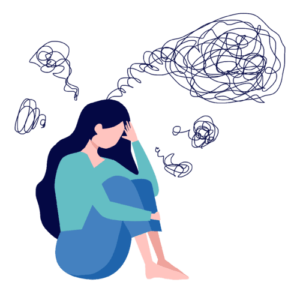
A Pure O OCD assessment is a screening tool designed for individuals who experience intense, intrusive thoughts without the “typical” visible compulsions like handwashing or checking. Pure Obsessional OCD is often misunderstood because the compulsions are entirely internal. This online ocd test helps identify these mental rituals, such as ruminating, silent praying, or constant memory checking, which are used to neutralize distressing thoughts.
Who Should Take the Pure O OCD Test?
If you feel like you are in a constant “mental loop,” this self-screening tool can provide answers. You may benefit from this assessment if you experience:
- Chronic Doubt: A persistent feeling of “what if” regarding your character, safety, or relationships.
- Ego-Dystonic Thoughts: Unwanted thoughts that are repetitive and horrifying to your personal values.
- Internal Checking: Constantly checking your body or mind for a “reaction” to a thought.
- Mental Reviewing: Replaying past events in your head over and over to ensure you didn’t do something wrong.


Accuracy of the Pure O OCD Test Online
Our pure o ocd test free tool is modeled after the Yale-Brown Obsessive Compulsive Scale (Y-BOCS). It focuses specifically on the “Obsession” sub-scale to capture the severity of internal distress.
While it is a highly accurate way to measure symptoms, it is not a formal medical diagnosis. Because Pure Obsessional OCD involves complex intrusive thoughts, we recommend discussing your results with a professional specializing in Exposure and Response Prevention (ERP).
Types of Pure O OCD Assessment
Clinical Interview:
Mental health professionals, such as psychologists or psychiatrists, conduct structured or semi-structured interviews to assess a person’s symptoms, history, and overall functioning. These interviews aim to identify the presence of Pure O OCD symptoms and rule out other mental health conditions.
Obsession and Compulsion Assessment:
A comprehensive assessment involves distinguishing between obsessions and compulsions and assessing the severity and frequency of each. This can help in understanding the predominant symptom type in Pure O OCD.
Cognitive Assessments:
Psychologists may use various cognitive assessments to understand thought patterns and cognitive distortions associated with Pure O. These assessments help identify cognitive processes that contribute to the obsessions.
Functional Assessment:
Evaluating how Pure O symptoms impact an individual’s daily life, functioning, and overall well-being is crucial. This assessment may include measuring the level of distress, interference with daily activities, and quality of life.
Diagnostic Criteria:
Assessors refer to the diagnostic criteria outlined in the Diagnostic and Statistical Manual of Mental Disorders (DSM-5) to determine if a person meets the criteria for OCD, including Pure O OCD.
Symptom Tracking:
Individuals may be asked to keep a diary or record their intrusive thoughts and their reactions to them over a period of time. This can provide valuable information about the nature and frequency of obsessions and the strategies individuals use to cope with them.
Handling Pure O OCD Issues
Handling Pure O OCD (Obsessive-Compulsive Disorder) can be challenging, but it’s possible to manage and improve your quality of life. Pure O OCD is a form of OCD characterized by primarily mental obsessions without noticeable physical compulsions. Here are some strategies to help you manage Pure O OCD:
- Education: Understanding OCD is crucial. Learn about the nature of obsessions and compulsions, as well as the different subtypes of OCD. Knowing that you’re not alone and that many others share similar experiences can be comforting.
- Seek Professional Help: A mental health professional, particularly a therapist with experience in treating OCD, can provide invaluable guidance and support. Cognitive-behavioral therapy (CBT), especially exposure and response prevention (ERP), is a highly effective treatment for OCD. Medication, usually selective serotonin reuptake inhibitors (SSRIs), can also be considered in consultation with a psychiatrist.
- Mindfulness and Meditation: Mindfulness techniques can help you become more aware of your thoughts without judgment. Meditation and deep breathing exercises can also reduce anxiety and stress, which can exacerbate OCD symptoms.
- Challenge Obsessive Thoughts: Use cognitive-behavioral techniques to challenge irrational thoughts. Ask yourself if your obsessions are based on reality or if they’re just thoughts. Consider the evidence for and against your obsessions.
- Exposure and Response Prevention (ERP): ERP is a specific type of CBT designed to confront your fears and obsessions while resisting the urge to engage in compulsions. This process helps desensitize your brain to the obsessions over time.
- Journaling: Keeping a journal can help you track your obsessions, triggers, and your reactions to them. This can provide valuable insights into patterns of thought and behavior.
- Support Groups: Joining an OCD support group can be helpful. It allows you to connect with others who understand your struggles and can offer support and coping strategies.
- Limit Rituals Gradually: If you have developed any mental rituals to alleviate your anxiety, work on reducing them gradually. This should be done under the guidance of a therapist.
- Self-Compassion: Be kind to yourself. Remember that having OCD is not your fault, and it doesn’t define your worth. Practice self-compassion to manage the distress that OCD can cause.
- Lifestyle Factors: Maintain a healthy lifestyle by getting regular exercise, eating well, and ensuring you get enough sleep. These factors can significantly impact your mental health.
- Stress Management: Learn stress management techniques like relaxation exercises, yoga, or progressive muscle relaxation to reduce overall anxiety levels.
- Medication: If recommended by a mental health professional, medication can be a helpful adjunct to therapy. Discuss the potential benefits and side effects with your psychiatrist.
- Monitor Progress: Keep track of your progress in managing your Pure O OCD. Recognize even small improvements as victories.
Pure-O often manifests as Harm OCD, where the individual fears they might accidentally hurt others. It can also overlap with Existential OCD, leading to deep anxiety about the nature of reality or purpose.
Remember that recovery from Pure O OCD can take time, and there may be setbacks along the way. Patience, perseverance, and a strong support system are key. Continue working closely with a mental health professional who can tailor treatment to your specific needs and help you on your journey toward managing and reducing the impact of your OCD symptoms.
FAQs on Pure O OCD
“Pure O” stands for Purely Obsessional OCD. It describes a form of OCD where the rituals (compulsions) are not physical but mental. Instead of washing hands, a person with Pure O might mentally “replay” an event, pray silently to “cancel” a thought, or constantly check their internal feelings to see if they are “true.”
No. The term can be misleading. People with Pure O still have compulsions, but they happen mentally rather than physically. These mental compulsions can include constantly reviewing thoughts, seeking reassurance from yourself, or repeatedly checking your thoughts to see if they feel “right.” So if you spend a lot of time in your head trying to figure out or solve a doubt, those mental loops are actually the compulsions.
The key is to stop “engaging” with the thoughts. In Exposure and Response Prevention (ERP), you learn to treat the intrusive thought as “brain noise.” Instead of trying to prove the thought wrong or solve the mystery, you allow the doubt to exist until the brain’s alarm system naturally settles down.
While OCD is a chronic condition, Pure O is highly manageable. With specialized therapy like CBT and ERP, most people find that their “scary thoughts” lose their power and the urge to perform mental rituals drops significantly, allowing them to lead a present and peaceful life.