

Do I Have Superstitious OCD? Screening for Magical Thinking and Rituals
Medically Reviewed by Aheesha Chopra (Therapist/ Psychologist)
Answer these simple questions to understand more about Superstitious OCD Assessment. We share instant results and keep your information confidential.
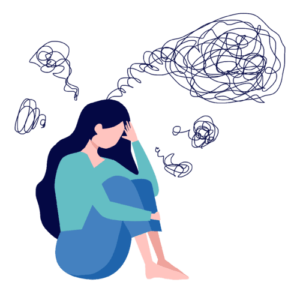
What is a Superstitious OCD (Magical Thinking) Assessment?
A superstitious OCD test is a specialized tool designed to differentiate between harmless cultural beliefs and the rigid, anxiety-driven rituals of OCD. While many people avoid walking under ladders for “luck,” individuals with Superstitious OCD feel an overwhelming, irrational necessity to perform specific actions to prevent perceived catastrophes. This online test evaluates how much these beliefs interfere with your daily life and whether they are driven by a clinical “need for certainty.”
Who Can Benefit From This Superstitious OCD Assessment?
The difference between a “lucky charm” and OCD is the level of fear involved. You should consider this online screening if you experience:
- Rigid Rituals: Feeling like you must tap a surface, repeat a word, or avoid a specific color to prevent a family member from getting hurt.
- Magical Associations: Believing that your internal thoughts have a direct, physical impact on external events (e.g., “If I think about a car crash, I will cause one”).
- Number Fixations: Assigning “good” or “evil” status to numbers and basing your actions (like volume settings or steps taken) entirely on those assignments.
- Catastrophic Thinking: Experiencing intense guilt or panic if you accidentally “break” a superstition, believing a disaster is now inevitable.


Superstitious OCD Assessment Accuracy
Our superstitious OCD test is calibrated to identify the “thought-action fusion” that characterizes this subtype. It measures the degree of distress you feel when prevented from performing a ritual and how much time you spend occupied by these magical fears.
While this self-assessment provides a highly accurate look at your symptoms, it is not a formal diagnosis. Superstitious themes are often highly responsive to Exposure and Response Prevention (ERP). ERP helps you “test” your magical fears in a safe environment, eventually teaching your brain that your rituals are not what is keeping the world safe.
Types of Superstitious OCD Assessment
Clinical Interview:
Mental health professionals conduct in-depth interviews to gather information about the individual’s thoughts, behaviors, emotions, and overall functioning. They will ask questions to understand the nature of the superstitions, triggers, and the impact of these beliefs on the person’s daily life.
Diagnostic Criteria:
Assessment involves determining whether the individual meets the criteria for Obsessive-Compulsive Disorder (OCD) as outlined in the Diagnostic and Statistical Manual of Mental Disorders (DSM-5). Superstitious beliefs and rituals may fit within the framework of OCD.
Assessment Tools and Questionnaires:
Clinicians might use standardized assessment tools and questionnaires that are designed to measure the severity of OCD symptoms, including superstitious beliefs. These tools help quantify the extent of the problem and track changes over time.
Detailed Case History:
Understanding the person’s personal history, including the onset of symptoms, any traumatic events, family history of mental health issues, and previous treatment experiences, can provide valuable insights into the development and maintenance of superstitious OCD.
Functional Assessment:
Professionals assess how superstitious beliefs impact various areas of the person’s life, such as work, relationships, and daily activities. This helps in tailoring treatment strategies to address specific challenges.
Comorbidity Assessment:
It’s common for OCD to be accompanied by other mental health conditions. Clinicians assess whether there are any co-occurring disorders that might influence treatment approaches.
Handling Superstitious OCD Issues
Dealing with superstitious OCD can be challenging, as it involves irrational beliefs and behaviors that are difficult to break free from. Here are some strategies to help you manage superstitious OCD:
- Recognize the Irrationality: Understand that superstitious beliefs are irrational and not based on logic. Acknowledge that your brain is generating these thoughts, but that doesn’t make them true.
- Mindfulness and Awareness: Practice mindfulness techniques to observe your thoughts without judgment. This can help you detach from the superstitious thoughts and reduce their power over you.
- Exposure and Response Prevention (ERP): ERP is a proven therapy for OCD, including superstitious OCD. Gradually expose yourself to situations that trigger your superstitious beliefs, and resist the urge to perform the associated rituals or compulsions. Over time, this can help reduce the anxiety associated with these beliefs.
- Challenge the Beliefs: Question the validity of your superstitious beliefs. Ask yourself for concrete evidence that these beliefs are true. Consider alternative explanations for events that you attribute to superstitions.
- Keep a Journal: Keep a journal to record your superstitious thoughts and the rituals you perform. Document the situations, triggers, and your responses. This can help you identify patterns and work on strategies to manage them.
- Create a Hierarchy: With the help of a therapist, create a hierarchy of superstitious beliefs and rituals from least anxiety-provoking to most anxiety-provoking. Gradually expose yourself to these situations, starting with the least distressing ones.
- Delay Rituals: If you feel compelled to perform a ritual, try delaying it by a few minutes. Over time, gradually increase the delay. This can help weaken the connection between the belief and the compulsion.
- Seek Professional Help: Work with a therapist who specializes in treating OCD. They can guide you through exposure therapy, help you challenge irrational beliefs, and provide coping strategies.
- Replace Rituals with Positive Actions: Replace compulsive behaviors with positive actions. For example, if you have a superstition about stepping on cracks, intentionally step on cracks while engaging in deep breathing to manage anxiety.
- Educate Yourself: Learn more about the psychology behind superstitions and the brain’s tendency to associate events. Understanding the cognitive processes involved can help demystify the power of superstitions.
- Support System: Share your challenges with trusted friends or family members. Having someone who understands and supports you can make the journey easier.
- Celebrate Progress: Acknowledge and celebrate each step you take toward breaking free from superstitious beliefs and behaviors. Small victories are important markers of progress.
Remember that overcoming superstitious OCD takes time and consistent effort. Be patient with yourself and practice self-compassion as you work to challenge and manage these beliefs. If your superstitious OCD is significantly impacting your daily life, seeking professional help is highly recommended.
FAQs on Superstitious OCD
Superstitious OCD is a subtype characterized by “Magical Thinking”—the irrational belief that one’s thoughts, words, or minor actions can directly cause or prevent unrelated external events. For example, believing that if you don’t step over a crack, a family member will get sick.
Common patterns include: Lucky/Unlucky numbers (avoiding the number 4 or needing to do things in 3s), Word-canceling (having to say a “good” word after thinking a “bad” one), and Associative Fear (avoiding a specific shirt because you wore it on a “bad” day).
The most effective treatment is Exposure and Response Prevention (ERP). In this approach, you gradually face the “unlucky” situations that trigger anxiety while avoiding the usual protective rituals. Over time, your brain learns that these actions don’t actually control what happens, and the anxiety slowly reduces.