

Do I Have Misophonia OCD? Take the Online Assessment
Medically Reviewed by Aheesha Chopra (Therapist/ Psychologist)
Answer these simple questions to understand more about Misophonia OCD Assessment. We share instant results and keep your information confidential.
What is Misophonia OCD Assessment?
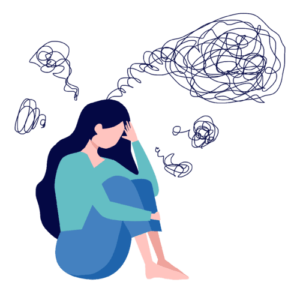
A Misophonia and OCD assessment is a specialized tool designed to evaluate the intersection between Selective Sound Sensitivity Syndrome and obsessive-compulsive symptoms. While Misophonia involves an intense emotional or physical reaction to specific “trigger sounds” (like chewing, pen clicking, or heavy breathing), the OCD component often manifests as a hyper-awareness of sound and the development of mental rituals or compulsions to cope with that distress.
This assessment goes beyond identifying triggers; it measures how these auditory experiences lead to avoidance behaviors and whether the preoccupation with sound has become a sensory-focused obsession. By taking this screening, you can better understand if your reactions are a standalone sensory issue or part of a broader OCD pattern.
Who can benefit from this Misophonia OCD Assessment?
This self-screening tool is highly beneficial for individuals whose lives are significantly disrupted by everyday noises. You should consider this assessment if you experience:
- Involuntary Fight-or-Flight: An immediate, intense feeling of rage or panic when hearing a specific repetitive sound.
- Hyper-Vigilance: Constantly “scanning” your environment for potential auditory triggers, making it impossible to focus on work or social interactions.
- Compulsive Avoidance: Missing meals with family, wearing noise-canceling headphones 24/7, or avoiding certain people specifically because of the sounds they make.
- Sensory-Focused Obsessions: An inability to “un-hear” a sound once you’ve noticed it, leading to a loop of anxiety and distress.
If your reaction to sound feels like a physical assault and leads to repetitive coping behaviors, this test can help you identify the underlying cause.
Misophonia OCD Assessment Accuracy
Our Misophonia and OCD test online utilizes criteria derived from clinical sound sensitivity scales and the Yale-Brown Obsessive Compulsive Scale (Y-BOCS). It is designed to provide a highly accurate look at the severity of your autonomic nervous system arousal in response to triggers.
While this tool is an excellent first step in anxiety management and self-discovery, it is not a formal medical diagnosis. Because Misophonia can often be confused with Sensory Processing Disorder or Generalized Anxiety, we recommend reviewing your results with a mental health professional. Specialized treatments, including Cognitive Behavioral Therapy (CBT) and sound-masking protocols, have shown great success in helping individuals regain control over their environment and reduce the power of their triggers.
Types of Misophonia OCD Assessment
Symptom Description:
The individual is asked to describe the specific sounds or triggers that evoke strong emotional reactions. These could be noises they find particularly bothersome or that cause distress.
Emotional and Physiological Responses:
Explore the emotional reactions triggered by the sounds, such as anger, frustration, or anxiety. Inquire about physiological responses like increased heart rate or muscle tension.
Duration and Frequency:
Determine how long the reactions to trigger sounds last and how often they occur. Chronic and frequent reactions could indicate misophonia.
Contextual Information:
Understand if certain situations or environments exacerbate the reactions to trigger sounds.
Psychological Well-being:
Evaluate the individual’s overall psychological well-being, looking for signs of depression, anxiety, or other related conditions.
Impact on Life:
Assess how the individual’s life is affected by misophonia. Do these triggers lead to avoidance behaviors, isolation, or relationship difficulties?
Handling Misophonia OCD Issues
Misophonia is a condition where certain sounds trigger strong emotional reactions, often characterized by irritation, anxiety, or anger. While it’s not classified as an obsessive-compulsive disorder (OCD), it can share similarities in terms of distress and coping strategies. If you’re dealing with misophonia-related challenges, here are some steps you can take:
- Educate Yourself: Learn more about misophonia to understand its nature and causes. Understanding that your reactions are a result of this condition can help reduce feelings of guilt and frustration.
- Seek Professional Help: While misophonia is not classified as OCD, therapy approaches used for OCD, such as Exposure and Response Prevention (ERP), might be beneficial. Consulting a therapist who specializes in misophonia or similar conditions can provide tailored strategies.
- Mindfulness and Relaxation Techniques: Practices like mindfulness meditation, deep breathing, and progressive muscle relaxation can help you manage the strong emotions triggered by misophonia.
- Cognitive Reframing: Work on changing the way you think about the trigger sounds. This involves challenging negative thought patterns and developing more balanced perspectives.
- Behavioral Techniques: Gradual exposure to trigger sounds, under the guidance of a therapist, can help reduce the intensity of your reactions over time.
- Noise Masking: Using noise-cancelling headphones or white noise machines can help mask trigger sounds and provide relief.
- Healthy Coping Strategies: Engage in activities that you enjoy and that help you relax. This can provide a positive counterbalance to the distress triggered by misophonia.
- Communication: If possible, communicate with people around you about your condition. Explaining your triggers and needs can lead to better understanding and support.
- Environmental Modifications: Make changes to your environment to minimize exposure to trigger sounds. For example, you could rearrange furniture to create physical barriers between you and the source of the sound.
- Support Groups: Connecting with others who experience misophonia can provide a sense of validation and shared coping strategies.
- Professional Evaluation: Rule out any underlying hearing issues that might exacerbate misophonia. Consulting an audiologist can help ensure that you’re addressing all possible factors.
- Self-Care: Focus on self-care activities that promote overall well-being. This can include regular exercise, maintaining a healthy diet, and getting enough sleep.
Remember that overcoming misophonia-related challenges can take time and patience. It’s important to work with mental health professionals who are experienced in treating conditions that involve intense emotional reactions to triggers. By combining therapeutic strategies, lifestyle adjustments, and coping techniques, you can improve your ability to manage the distress associated with misophonia.
FAQs on Misophonia OCD
Misophonia is a disorder where specific “trigger sounds”—like chewing, sniffing, or repetitive tapping—evoke an immediate, intense emotional response such as rage or panic. While it is a sensory processing issue, it often co-occurs with OCD because the brain develops an obsession with monitoring the environment for the sound and a compulsion to avoid it or “cancel it out.”
In Misophonia, your brain’s “fight or flight” system is hyper-activated by soft, repetitive sounds. Your nervous system treats a chewing sound as a physical threat, leading to an instant surge of adrenaline and anger. This is often called the “misophonic response.”
Annoyance is a mild irritation you can ignore. Misophonia is an autonomic response that feels impossible to ignore. If you find yourself wearing headphones constantly, avoiding family meals, or feeling a “physical” need to mimic the sound to stop the distress, it is likely Misophonia.
Yes. While there isn’t a “cure” that turns off the sensitivity, treatments like Counter-Conditioning, Cognitive Behavioral Therapy (CBT), and Tinnitus Retraining Therapy can help. Learning to reduce the OCD-style “monitoring” of the environment can significantly lower the distress levels.