

Couples Compatibility Test: Measure Your Relationship Strength
Medically Reviewed by Aheesha Chopra (Therapist/ Psychologist)
Answer these simple questions to understand more about your Compatibility For Couples. We share instant results and keep your information confidential.
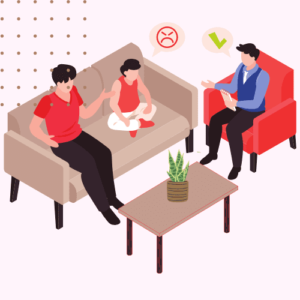
What is Compatibility Test For Couples?
A Compatibility Test for Couples is a psychology-based tool designed to evaluate the synergy between two individuals. While initial chemistry is important, long-term compatibility depends on shared values, mutual respect, and effective conflict resolution. Our assessment dives into critical areas—such as emotional intimacy, financial outlooks, and personal boundaries—to provide an objective look at your relationship’s foundation. By identifying both your strengths and potential friction points, this test serves as a valuable guide for improving communication and deepening your connection with your partner.
Who Should Take This Relationship Compatibility Quiz?
This test is valuable for couples at any stage of their journey:
- New Couples: See if your honeymoon phase is supported by long-term compatibility.
- Long-Term Partners: Identify areas where you may have grown apart and need to reconnect.
- Couples Planning a Future Together: If you’re considering marriage or moving in, this test helps ensure you’re on the same page.
- The Curious: Perfect for anyone wanting to understand emotional compatibility and how their personality matches with their partner’s.


Compatibility Test For Couples Accuracy
Compatibility tests for couples can provide some insight into a relationship but should be taken with caution. Their accuracy largely depends on the quality of the questions and the honesty of the participants. They can help identify shared values and interests, potentially strengthening a relationship. However, relationships are complex and go beyond a simple test. Factors like communication, trust, and compromise are vital and not fully captured by such tests. While compatibility tests can be a fun and informative tool, they should not be the sole basis for evaluating a relationship’s potential. Real-world interactions and open communication remain essential for assessing compatibility.
Types of Assessment to Measure Compatibility Test For Couples
Questionnaires and Surveys:
These are self-report measures where couples answer questions about various aspects of their relationship, such as communication, conflict resolution, values, and goals.
Compatibility Tests:
These are specifically designed tests that assess compatibility in key areas like values, interests, and lifestyle. Compatibility tests often cover topics such as religion, family planning, finances, and leisure activities.
Personality Assessments:
Assessments like the Myers-Briggs Type Indicator (MBTI), the Big Five Personality Traits, or the Enneagram can help couples understand each other’s personalities and potential areas of compatibility or conflict.
Communication Style Assessments:
Effective communication is crucial in any relationship. Tools like the Communication Styles Assessment can help couples identify their communication strengths and weaknesses.
Conflict Resolution Assessments:
Couples often face conflicts, and how they handle them can affect their compatibility. Tools like the Conflict Resolution Styles Inventory can assess how individuals approach and resolve conflicts.
Counseling and Therapy:
Professional counselors and therapists can provide assessments and guidance on compatibility by using various therapeutic techniques and discussions.
Handling Compatibility For Couples
Handling compatibility in a romantic relationship is crucial for its long-term success and happiness. While there’s no one-size-fits-all approach, here are some tips for handling compatibility in couples:
- Effective Communication: Open and honest communication is the cornerstone of any healthy relationship. Talk to each other about your values, goals, and expectations. Discuss your individual needs and find common ground where you can compromise when necessary.
- Respect Differences: Recognize that you and your partner are unique individuals with your own perspectives, values, and interests. It’s essential to respect these differences and not try to change each other. Instead, find ways to appreciate and celebrate your partner’s individuality.
- Shared Interests: While differences are important, having shared interests and activities can strengthen your bond. Find hobbies or activities you both enjoy and make time for them regularly. This can create opportunities for quality time together.
- Emotional Compatibility: Understand each other’s emotional needs and styles. Some people are more expressive, while others are reserved. Be mindful of your partner’s emotional cues and support each other through both highs and lows.
- Conflict Resolution: Disagreements are a natural part of any relationship. Learn healthy conflict resolution techniques. Avoid blaming each other and focus on finding solutions. Compromise and find common ground to resolve issues.
- Trust and Security: Trust is the foundation of a strong relationship. Build and maintain trust by keeping your promises, being reliable, and respecting each other’s boundaries. Feeling secure in your relationship is essential for compatibility.
- Personal Growth: Encourage each other’s personal growth and development. Support your partner in pursuing their goals and aspirations, and they should do the same for you. Healthy relationships allow both individuals to thrive.
- Intimacy and Affection: Physical and emotional intimacy are vital for compatibility. Express your love and affection regularly through physical touch, kind words, and acts of love. Keep the romance alive.
- Financial Compatibility: Money can be a source of conflict. Discuss your financial goals, budgeting strategies, and spending habits. Find a balance that works for both of you and avoid hidden financial issues.
- Long-Term Goals: Ensure you have similar long-term goals, especially regarding important life decisions like marriage, children, and career ambitions. Misalignment in these areas can lead to future conflicts.
- Seek Professional Help: If you’re facing major compatibility issues or relationship challenges, don’t hesitate to seek the help of a therapist or counselor. They can provide guidance and tools to work through complex issues.
- Self-Care: Take care of yourself both physically and mentally. When both partners are emotionally healthy and fulfilled individually, it’s easier to maintain compatibility in the relationship.
Remember that compatibility is not static; it can change over time. It’s essential to regularly assess and nurture your relationship to ensure that you continue to grow and evolve together. Adaptation and compromise are key elements in handling compatibility in couples successfully.
FAQs on Relationship & Couple Compatibility
Compatibility isn’t about being identical; it’s about how well two people’s personalities, values, and lifestyles mesh together. A high score on a couple compatibility test suggests that your differences are manageable and your core goals are aligned.
While no quiz has a crystal ball, an emotional compatibility test can highlight potential “friction points.” Understanding these early on allows couples to work on communication strategies before small issues become dealbreakers.
Yes. Compatibility is dynamic. While core values (like wanting children or financial habits) are hard to change, “lifestyle compatibility” can be built through compromise and shared experiences.
Relationships evolve. Taking a free compatibility test for couples once a year can be a great way to “check the pulse” of your relationship and see how your alignment has shifted as you both grow.