

Is Your Partner Cheating? Take this Free Infidelity Test
Medically Reviewed by Aheesha Chopra (Therapist/ Psychologist)
Answer these simple questions to understand more about your Infidelity. We share instant results and keep your information confidential.
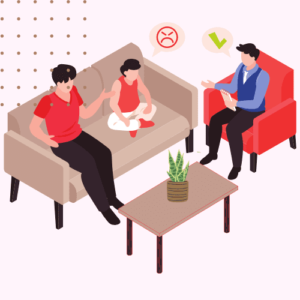
What is the Infidelity Self-Assessment Tool?
This screening is designed to help you objectively evaluate the health of your relationship. Rather than providing “proof,” this infidelity quiz looks at clinical red flags such as sudden changes in routine, increased secrecy with electronic devices, and shifts in physical or emotional intimacy.
Who Can benefit from this Jealousy Infidelity Test?
The Jealousy Infidelity Test can benefit individuals in various situations, primarily those who suspect their partner of infidelity or those experiencing intense jealousy in their relationships. It offers a structured approach to address and validate their concerns, providing a platform for open communication. Couples struggling with trust issues or seeking to strengthen their bond can also benefit by using this test as a tool to address underlying insecurities. Moreover, therapists and counselors can utilize it to facilitate discussions about jealousy and infidelity within therapeutic settings, promoting healthier relationships and emotional well-being for their clients. Ultimately, this test serves as a resource for anyone seeking clarity and resolution in matters of trust and fidelity.


Infidelity Quiz Accuracy
The accuracy of an infidelity test can vary widely depending on the method used. Traditional methods like hiring a private investigator or relying on intuition may yield uncertain results. Modern approaches, such as DNA testing or examining digital communications, can offer higher accuracy when there is concrete evidence. However, no test can guarantee 100% accuracy, as human relationships are complex and multifaceted. False positives and false negatives are possible, and trust and communication are crucial in addressing suspicions of infidelity. Seeking professional help, like therapy or counseling, is often more effective in resolving relationship issues than relying solely on tests.
Types of Assessment to Measure Infidelity Test
Self-Report Questionnaires:
Infidelity-specific questionnaires: These are structured questionnaires designed to assess attitudes, behaviors, and intentions related to infidelity. Participants answer questions about their own experiences or feelings about infidelity.
Relationship Satisfaction Scales:
Standardized scales that measure overall relationship satisfaction can indirectly gauge the likelihood of infidelity. Lower relationship satisfaction may be associated with a higher risk of infidelity.
Qualitative Interviews:
In-depth interviews with individuals can provide a rich understanding of their experiences and perspectives on infidelity. Open-ended questions allow participants to share their stories and feelings.
Behavioral Observations:
Researchers may use behavioral coding systems to observe and analyze couples’ interactions, looking for signs of infidelity or relationship dissatisfaction.
Eye-Tracking Studies:
Eye-tracking technology can be used to study participants’ visual attention when presented with images or scenarios related to infidelity. It can reveal subconscious interest or avoidance of infidelity-related stimuli.
Social Media Analysis:
Analyzing social media activity, posts, and interactions can provide insights into potential infidelity, especially if individuals share information or engage with others in ways that raise suspicion.
Handling Infidelity
Handling infidelity in a relationship can be extremely challenging and emotional. Here are ten points to consider when dealing with infidelity:
- Take Time to Process Your Emotions: Allow yourself to feel the range of emotions that infidelity can trigger, including anger, sadness, betrayal, and confusion. It’s important to acknowledge and process these feelings.
- Communicate Openly: Initiate an honest and open conversation with your partner about what happened. This is essential for understanding their perspective and deciding how to move forward.
- Seek Professional Help: Consider couples therapy or individual counseling to help you and your partner navigate the emotional aftermath of infidelity. A trained therapist can provide guidance and facilitate productive conversations.
- Define Your Boundaries: Discuss and establish clear boundaries and expectations for your relationship moving forward. This includes addressing what is acceptable and what is not in terms of behavior.
- Reflect on Your Relationship: Take time to assess the overall health of your relationship. Ask yourself if there were underlying issues or problems that may have contributed to the infidelity. Identifying these can be crucial for rebuilding trust.
- Consider Forgiveness: Forgiveness is a personal choice, and it may take time. Understand that forgiveness does not mean condoning the infidelity but can be a step towards healing.
- Rebuild Trust: Rebuilding trust is a gradual process. Your partner must be willing to be transparent, accountable, and demonstrate their commitment to repairing the relationship.
- Focus on Self-Care: Take care of your physical and emotional well-being during this difficult time. Engage in activities that bring you joy and relaxation, and lean on your support network for emotional support.
- Avoid Blame Games: While it’s natural to assign blame, it’s often more productive to focus on solutions and healing rather than dwelling on the past.
- Evaluate the Relationship: Ultimately, you may need to decide whether the relationship is worth saving. It’s essential to prioritize your happiness and well-being, and sometimes that may mean ending the relationship if trust cannot be fully restored.
Remember that every situation is unique, and there is no one-size-fits-all solution for handling infidelity. It’s crucial to make decisions that align with your values and what you believe is best for your future.
FAQs on Infidelity
A “test” often implies seeking physical proof (like DNA or phone records), while a relationship self-assessment focuses on identifying behavioral patterns, emotional distance, and broken trust to help you decide on your next steps.
Research suggests that individuals can often detect lies unconsciously before they can prove them. While intuition isn’t “proof,” a persistent gut feeling is a significant indicator that the foundation of trust in the relationship needs attention.
Emotional cheating often involves sharing intimate details with someone outside the relationship that you wouldn’t feel comfortable sharing with your partner, or prioritizing another person’s emotional needs over your spouse’s.
If you are stuck in a cycle of “searching for clues,” replaying traumatic events, or find it impossible to communicate without high conflict, a specialized therapist can provide a safe environment to process betrayal trauma.