

Am I Afraid of Commitment? Take the Online Test
Medically Reviewed by Aheesha Chopra (Therapist/ Psychologist)
Answer these simple questions to understand more about your Commitment Issues. We share instant results and keep your information confidential.
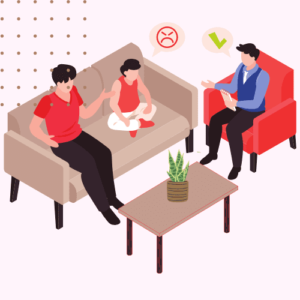
What is Commitment Issues Test?
A Commitment Issues Test is a specialized psychological tool designed to explore the emotional barriers that prevent individuals from fully engaging in long-term relationships. Rather than just a simple quiz, this assessment evaluates your attitudes, fears, and behavioral patterns when faced with emotional intimacy. By analyzing your responses to various relationship scenarios, the test helps uncover deep-seated insecurities or past experiences—such as a fear of vulnerability or loss of independence—that may be hindering your capacity to commit. The goal is to provide a clear baseline of your emotional readiness, helping you identify areas where trust and communication can be strengthened.
Who Should Take This Commitment Issues Test?
This assessment is designed for anyone who feels stuck in a cycle of short-term relationships or experiences anxiety when a partnership starts becoming serious. Whether you are questioning your own “fear of commitment” or trying to understand a partner’s behavior, this screening provides a professional look at your emotional triggers. By identifying these patterns early, you can begin to work on building more secure, long-lasting connections.


Commitment Issues Test Accuracy
The accuracy of a commitment issues test can vary depending on its design and the individual taking it. Generally, these tests assess one’s readiness and willingness to commit to a romantic relationship or other significant life choices. Their accuracy can be influenced by factors like the test’s validity, reliability, and the honesty of the person answering the questions. While some commitment issues tests can provide insights and help individuals reflect on their behaviors and attitudes, they are not foolproof and should be used in conjunction with other forms of assessment, such as counseling or self-reflection, for a more accurate understanding of one’s commitment readiness.
Types of Assessment to Measure Codependent Relationship
Codependency Self-Assessment Questionnaires:
These are self-report questionnaires that individuals can complete to assess their own codependent tendencies. They typically include statements related to behaviors, thoughts, and feelings associated with codependency.
Codependency Inventory:
This is a more extensive assessment tool that evaluates codependency across multiple dimensions. It often includes questions related to self-esteem, boundaries, caretaking behaviors, and enabling patterns.
Structured Interviews:
Mental health professionals can conduct structured interviews with individuals to assess codependency. These interviews delve deeper into the individual’s history, relationships, and emotional experiences to identify codependent traits.
Observational Assessment:
Observational assessment involves watching individuals’ behaviors within their relationships. This can be done by therapists or counselors who are trained to identify codependent behaviors and dynamics during therapy sessions.
Psychological Assessment:
Psychologists may use standardized psychological assessments and tests to measure factors related to codependency, such as self-esteem, attachment styles, and interpersonal functioning.
Family or Relationship Assessment:
Codependency often occurs within the context of family or romantic relationships. Assessing the dynamics within the relationship and how they contribute to codependency is crucial.
Handling Codependent Relationship
Handling a codependent relationship can be challenging, but it’s essential to address these issues for the well-being of both individuals involved. Codependency often involves one person excessively relying on the other for emotional support, self-esteem, and a sense of purpose, which can lead to unhealthy dynamics. Here are some steps to help you handle a codependent relationship:
- Recognize the Problem: The first step is acknowledging that the relationship is codependent. Look for signs such as excessive neediness, lack of personal boundaries, enabling behavior, and a sense of being trapped.
- Self-Awareness: Both individuals in the relationship should work on understanding their own needs, insecurities, and motivations. This self-awareness is crucial for personal growth.
- Seek Professional Help: Codependency can be deeply ingrained, and it often requires therapy or counseling to address the underlying issues. Consider seeing a therapist or counselor individually or as a couple.
- Set Boundaries: Establish clear boundaries in the relationship. Both partners should have a sense of personal space, time, and individual needs. Communicate openly about these boundaries.
- Build Self-Esteem: Encourage each other to work on self-esteem and self-worth independently. Building a strong sense of self can reduce the need for external validation.
- Develop Supportive Networks: Encourage each other to maintain friendships, hobbies, and interests outside of the relationship. Having a diverse support system can alleviate the pressure of relying solely on one person.
- Practice Effective Communication: Improve communication skills within the relationship. Be honest about feelings and concerns without blaming or criticizing each other. Active listening is essential.
- Challenge Codependent Behaviors: Identify and work on behaviors that enable or perpetuate the codependency. This may involve saying “no” when necessary, avoiding excessive caregiving, and allowing the other person to face consequences for their actions.
- Take Time Apart: Spending some time apart can be healthy. This allows each person to focus on personal growth and independence.
- Support Each Other’s Growth: Encourage and support each other’s individual goals and aspirations. A healthy relationship should empower both individuals to pursue their dreams.
- Patience and Persistence: Breaking codependent patterns can be a long and challenging process. It’s essential to be patient with yourself and your partner and to stay committed to personal growth.
- Consider Ending the Relationship: In some cases, despite best efforts, codependent relationships may remain toxic and detrimental to both individuals’ well-being. If this is the case, it may be necessary to consider ending the relationship for the sake of personal growth and happiness.
Remember that overcoming codependency is a journey, and it often requires professional guidance. Seek the help of a therapist or counselor who specializes in relationship issues to provide you with tailored strategies and support.
FAQs on Commitment Issues
While not a clinical diagnosis in the DSM-5, it is a recognized psychological pattern often linked to “Avoidant Attachment Disorder.” It is a protective behavior developed to avoid emotional vulnerability.
Yes. MyMindTest provides a free commitment issues test that is completely private. We believe everyone deserves to understand their relationship patterns without barriers.
Absolutely. This is the core of the struggle—longing for connection while simultaneously fearing the loss of self or the pain of rejection that comes with it.
Yes. Your privacy is our priority. This screening is a private tool for your own self-reflection.