

Paranoid Personality Disorder (PPD) Screening Test
Medically Reviewed by Aheesha Chopra (Therapist/ Psychologist)
Answer these simple questions to understand more about your Paranoid Personality Disorder. We share instant results and keep your information confidential.
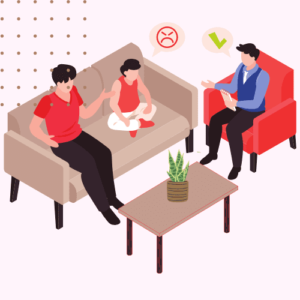
What is Paranoid Personality Disorder Test?
Paranoid Personality Disorder Test involves evaluating individuals for persistent and unwarranted distrust and suspicion of others’ motives, characterized by a pervasive sense of betrayal and vigilance. It encompasses comprehensive clinical interviews, standardized questionnaires, and observation of behavioral patterns. Clinicians assess the extent of distrust, hypersensitivity to criticism, and reluctance to confide in others. A diagnosis is made based on established diagnostic criteria, considering the duration and impact of these traits on the person’s functioning and relationships.
Who Can Benefit From This Paranoid Personality Disorder Test?
Individuals who exhibit pervasive and chronic distrust, suspicion, and paranoia in their interactions may benefit from a Paranoid Personality Disorder Test. This assessment is particularly valuable for those experiencing difficulties in forming and maintaining relationships due to their mistrustful nature. It aids in identifying the presence and severity of paranoid traits, guiding appropriate interventions and treatment strategies. Moreover, it helps individuals gain insights into their thought patterns, fostering self-awareness and potentially improving their interpersonal interactions and overall quality of life.


Paranoid Personality Disorder Test Accuracy
The accuracy of Paranoid Personality Disorder (PPD) assessments varies based on the methods employed and the expertise of the assessors. Clinical interviews, standardized questionnaires, and behavioral observations contribute to a comprehensive evaluation. However, accurate diagnosis can be challenging due to overlapping traits with other disorders and the individual’s reluctance to reveal suspicions. Collaborative information from multiple sources enhances accuracy. Nonetheless, misdiagnosis or underdiagnosis remains possible. Continuous research and refined assessment tools aim to improve diagnostic precision for PPD and related conditions.
Types of Paranoid Personality Disorder Test
Clinical Interviews:
In-depth conversations with a trained professional to explore distrust, suspicion, and social difficulties, aiding diagnosis and treatment planning.
Structured Questionnaires:
Standardized self-report measures assessing paranoid traits and behaviors, providing quantifiable insights into the extent of suspicion and mistrust.
Behavioral Observation:
Monitoring a person’s reactions to social situations to identify patterns of hypersensitivity, defensiveness, & guardedness in interpersonal interactions.
Cognitive Tests:
Evaluating thought processes, identifying distorted thinking patterns, and understanding how irrational beliefs contribute to paranoid tendencies.
Collateral Information:
Gathering input from family, friends, and associates to provide a broader perspective on the individual’s behavior and interpersonal challenges.
Longitudinal Test:
Tracking the persistence of paranoid traits over time to differentiate between transient suspicions and enduring patterns indicative of Paranoid Personality Disorder.
Handling Paranoid Personality Disorder
Handling Paranoid Personality Disorder, whether you’re dealing with it personally or trying to support someone who has it, can be challenging. Paranoid Personality Disorder (PPD) is characterized by a pervasive distrust and suspicion of others, often leading to the belief that others have malicious intentions. Here are some general guidelines for handling PPD:
- Seek Professional Help: If you suspect you or someone you know has Paranoid Personality Disorder, it’s crucial to seek the help of a mental health professional. A qualified therapist or psychiatrist can provide a proper diagnosis and create a tailored treatment plan.
- Build Trust and Rapport: If you’re trying to support someone with PPD, building trust is essential. Be patient, consistent, and reliable. Over time, this can help to alleviate their suspicion of your intentions.
- Communicate Openly: Encourage open and honest communication. Reassure the individual that you are genuinely interested in understanding their perspective and that you are not trying to deceive or manipulate them.
- Avoid Arguing or Confrontation: Engaging in arguments or confrontations with someone with PPD can escalate their anxiety and paranoia. Instead, focus on providing information calmly and rationally, without challenging their beliefs directly.
- Set Boundaries: While building trust is important, it’s also important to set healthy boundaries. Respect your own needs and limits, and communicate them clearly. This can help prevent situations that could trigger the individual’s paranoia.
- Educate Yourself: Learn about Paranoid Personality Disorder to better understand the symptoms, triggers, and potential treatment options. This knowledge can help you approach the situation with empathy and patience.
- Encourage Professional Treatment: Encourage the person with PPD to seek professional help. Therapy, such as cognitive-behavioral therapy (CBT), can help them challenge and reframe their distorted thoughts and beliefs.
- Medication: In some cases, medication might be recommended by a psychiatrist to manage symptoms like anxiety or depression that can often accompany PPD. However, medication alone is not typically sufficient for treating PPD.
- Avoid Feeding Paranoia: Refrain from confirming or validating the individual’s paranoid thoughts. Instead, gently question the logic behind their beliefs and offer alternative perspectives without dismissing their feelings.
- Patience is Key: Dealing with PPD requires patience. Progress might be slow, and setbacks are possible. Continue to provide support and encouragement.
- Encourage Social Support: Help the individual build and maintain a support network. Social interactions can help counteract isolation and provide additional perspectives beyond their own.
- Self-Care: If you’re personally dealing with PPD, practicing self-care is essential. Engage in activities that bring you joy, manage stress, and consider mindfulness or relaxation techniques.
Remember, handling Paranoid Personality Disorder requires a comprehensive and individualized approach. Always consult with mental health professionals for personalized guidance and support.
FAQs on Paranoid Personality Disorder
PPD is a mental health condition defined by a long-term pattern of pervasive distrust and suspicion of others. Individuals with PPD often assume that others will exploit, harm, or deceive them, even without evidence.
A paranoid personality disorder test serves as an initial screening tool to help you identify if your feelings of suspicion are within a typical range or if they align with clinical markers of PPD. It is a first step toward self-awareness.
Yes. You can take a paranoid personality disorder self test privately to evaluate your thoughts and behaviors. However, keep in mind that these questions are designed for self-reflection and do not replace a professional evaluation.
No. This assessment is a screening tool, not a diagnostic test for paranoid personality disorder. A formal diagnosis must be provided by a psychiatrist or psychologist after a comprehensive clinical interview.