

Online Bipolar Disorder Screening Test
Take this free online bipolar screening to explore mood patterns, emotional shifts, and behaviors commonly associated with bipolar tendencies.
Answer these simple questions to understand more about your Bipolar Disorder. We share instant results and keep your information confidential.
What is Bipolar Disorder Test?
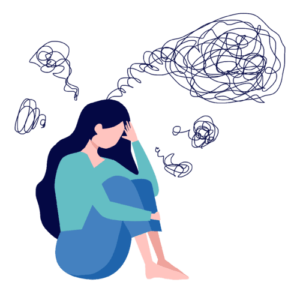
A bipolar disorder test is a screening tool designed to help identify patterns of mood changes that may be associated with bipolar tendencies. It typically includes structured questions about emotional highs and lows, energy levels, sleep patterns, and changes in behavior.
This type of self-assessment can highlight recurring mood fluctuations and how they may be affecting daily life, relationships, or work. While it does not provide a medical diagnosis, it can offer helpful insight and guide you toward seeking a comprehensive evaluation from a qualified mental health professional if needed.
Who Can Benefit From This Bipolar Disorder Test?
This screening may be helpful for individuals who experience noticeable mood swings, shifts in energy levels, or periods of emotional highs followed by lows. It can be especially useful for those who feel that their mood changes are affecting relationships, work performance, or daily responsibilities.
People with a family history of mood-related conditions or those who have ongoing emotional symptoms that feel difficult to manage may also find this assessment informative. It offers a structured way to reflect on patterns over time.
While this test does not provide a formal diagnosis, it can serve as a first step toward greater self-awareness and help you decide whether a professional evaluation would be beneficial.


Bipolar Disorder Test Accuracy
The accuracy of a bipolar disorder test can vary depending on how it is used and the context in which it is taken. Online screening tools are designed to highlight possible patterns of mood changes, but they are not a substitute for a full clinical evaluation. Results are most meaningful when individuals answer honestly and reflect carefully on their experiences over time.
A comprehensive assessment conducted by a qualified mental health professional using standardized diagnostic guidelines tends to provide greater accuracy. Because bipolar disorder can share symptoms with other mood or mental health conditions, careful evaluation is essential to avoid misinterpretation.
If your results suggest significant mood fluctuations or ongoing concerns, seeking a professional evaluation can provide clarity and guidance on appropriate next steps.
Types of Bipolar Disorder Test
Clinical Interview:
Involves a face-to-face discussion between the clinician and the individual to gather detailed information about symptoms and experiences.
Mood Charts:
Daily recording of mood fluctuations, energy levels, and other relevant factors to identify patterns and severity of mood swings.
Diagnostic Questionnaires:
Standardized questionnaires designed to assess symptoms and help in diagnosing bipolar disorder.
Family History Test:
Evaluates family members’ history of mood disorders to understand potential genetic factors.
Psychological Testing:
Tests like cognitive tests to understand cognitive functioning and identify possible cognitive impairments related to bipolar disorder.
Functional Test:
Evaluates the impact of symptoms on an individual’s daily life and functioning to determine the level of impairment and required support.
Handling Bipolar Disorder
Handling bipolar disorder involves a combination of medical treatment, psychotherapy, lifestyle adjustments, and support from loved ones. Key strategies include:
- Medication: Taking prescribed mood stabilizers or other medications to manage manic and depressive episodes.
- Psychotherapy: Engaging in cognitive-behavioral therapy (CBT) or other forms of therapy to learn coping skills, manage stress, and regulate emotions.
- Lifestyle Changes: Maintaining a regular sleep schedule, avoiding alcohol and drugs, and adopting a balanced diet and exercise routine.
- Support System: Seeking support from family, friends, or support groups can provide understanding and encouragement.
- Recognizing Triggers: Identifying and managing triggers that can lead to mood swings.
- Crisis Plan: Developing a plan with a healthcare professional for handling potential emergencies.
- Regular Monitoring: Regularly monitoring moods and symptoms to catch any changes early on.
- Collaboration: Involving loved ones in the treatment process and encouraging open communication.
Remember, each person’s experience with bipolar disorder is unique, and treatment plans should be personalized to address individual needs. Always consult with a healthcare professional for the best approach to managing bipolar disorder.